Jun - Sep 2021
Mobile App
UX / UI Lead, Product designer
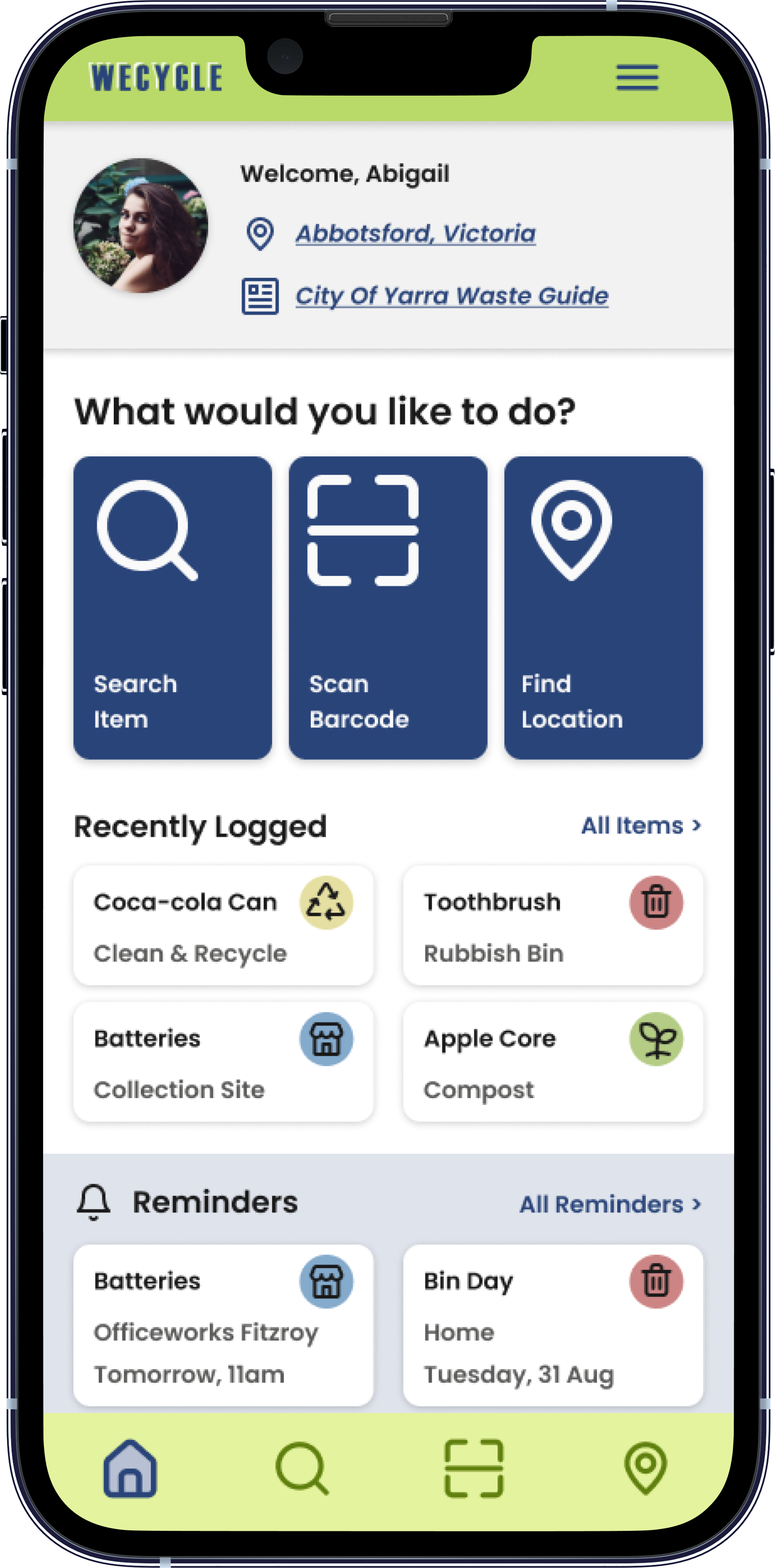
Wecycle is a solo case study for an educational app that teaches users about the best waste disposal practises. Being an environmentalist, the concept was inspired by the amount of waste I see everyday. I want minimise my consumption and the correct my approach to recycling. This app aims to provide simple steps and answers to the disposal of all your waste and how to minimise your carbon footprint.
I worked on the whole project alone, from researching to designing and prototyping the app. I adopted and implemented the double diamond methodology to produce the final product.
In this day and age where plastic and waste is produced every second and consumers have the responsibility of disposing it all correctly. This responsibility has becomes quite overwhelming when there’s conflicting information. Not all plastics are made the same and they aren’t all recyclable. This causes consumers to ‘wishcycle’. This is the act of disposing of seemingly recyclable waste in the recycling bin which contaminates it, resulting in the rejection of the whole truck load.
An environmentally conscious person who feels overwhelmed about recycling and the waste management that needs/wants to learn about it and create good habits but faces a confusing amount of information about our own recycling system.


The research techniques we adopted in this projects were:
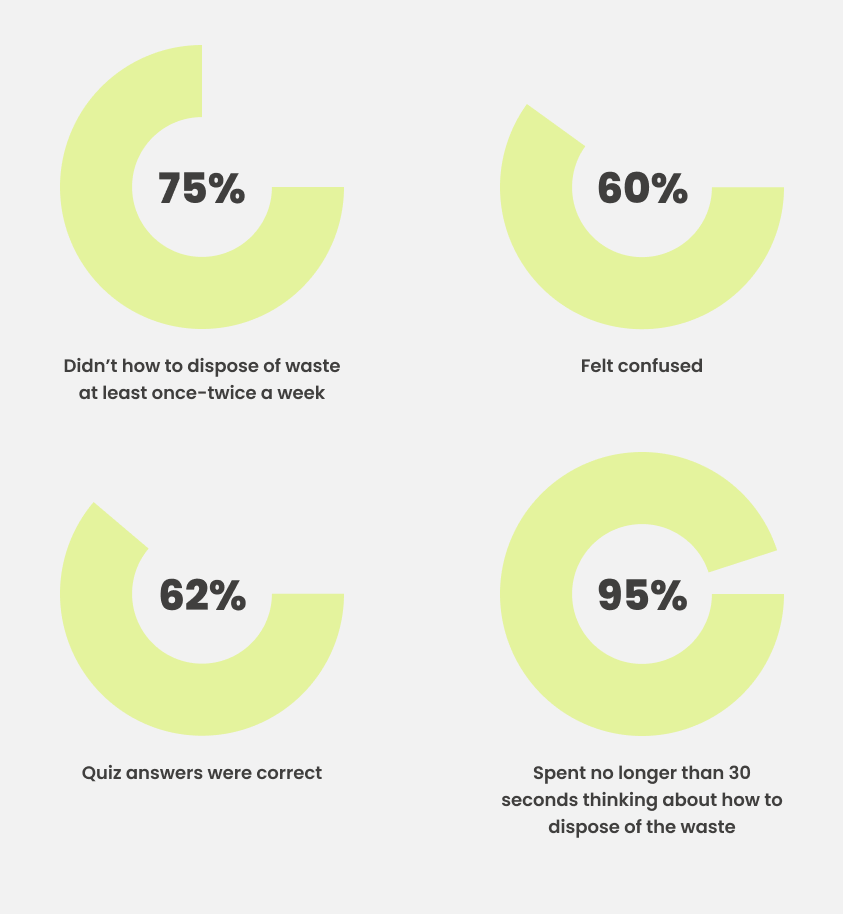
Sorting through 5 competitor apps and websites, I could see what common features users would expect to see. I was able to conduct 5 interviews and received 30 survey responses from young adults. This was an important demographic as Gen Y and Gen Z are reported to be the most aware and strongest advocates for the environment.
Results show that participants:
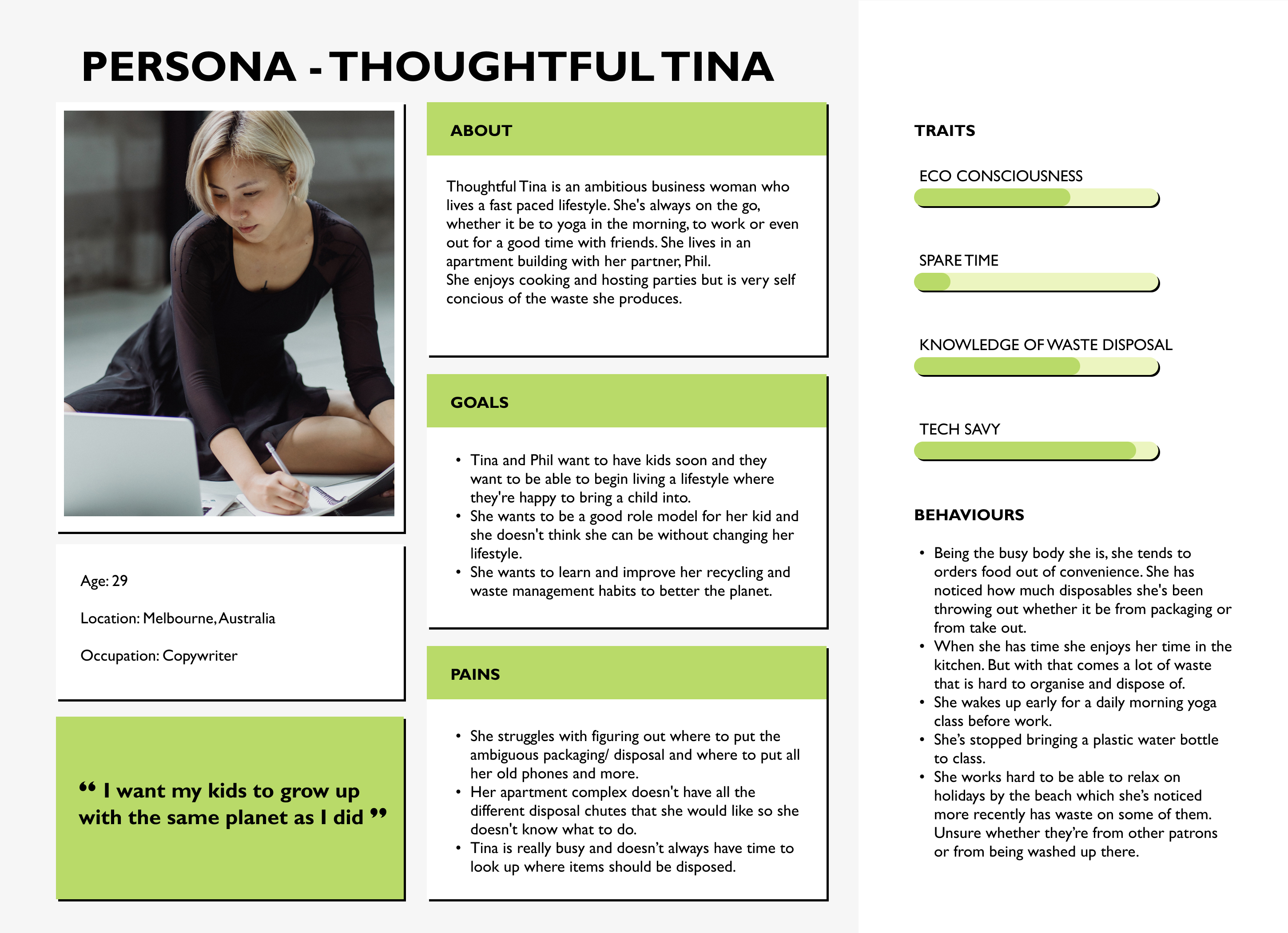
Thoughtful Tina was the persona formulated from all the data collected from the discovery phase.
I want my kids to grow up with the same planet as I did
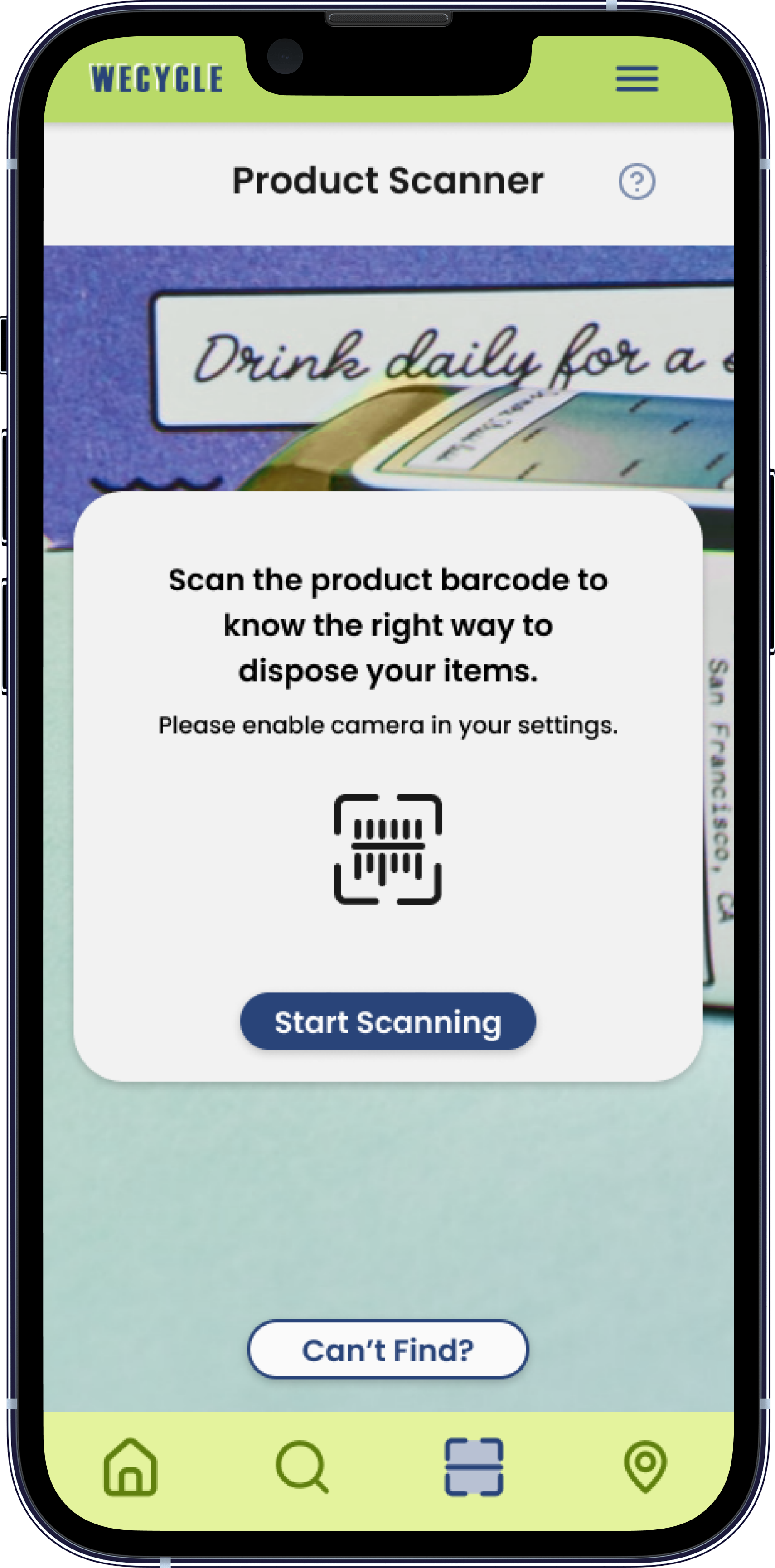
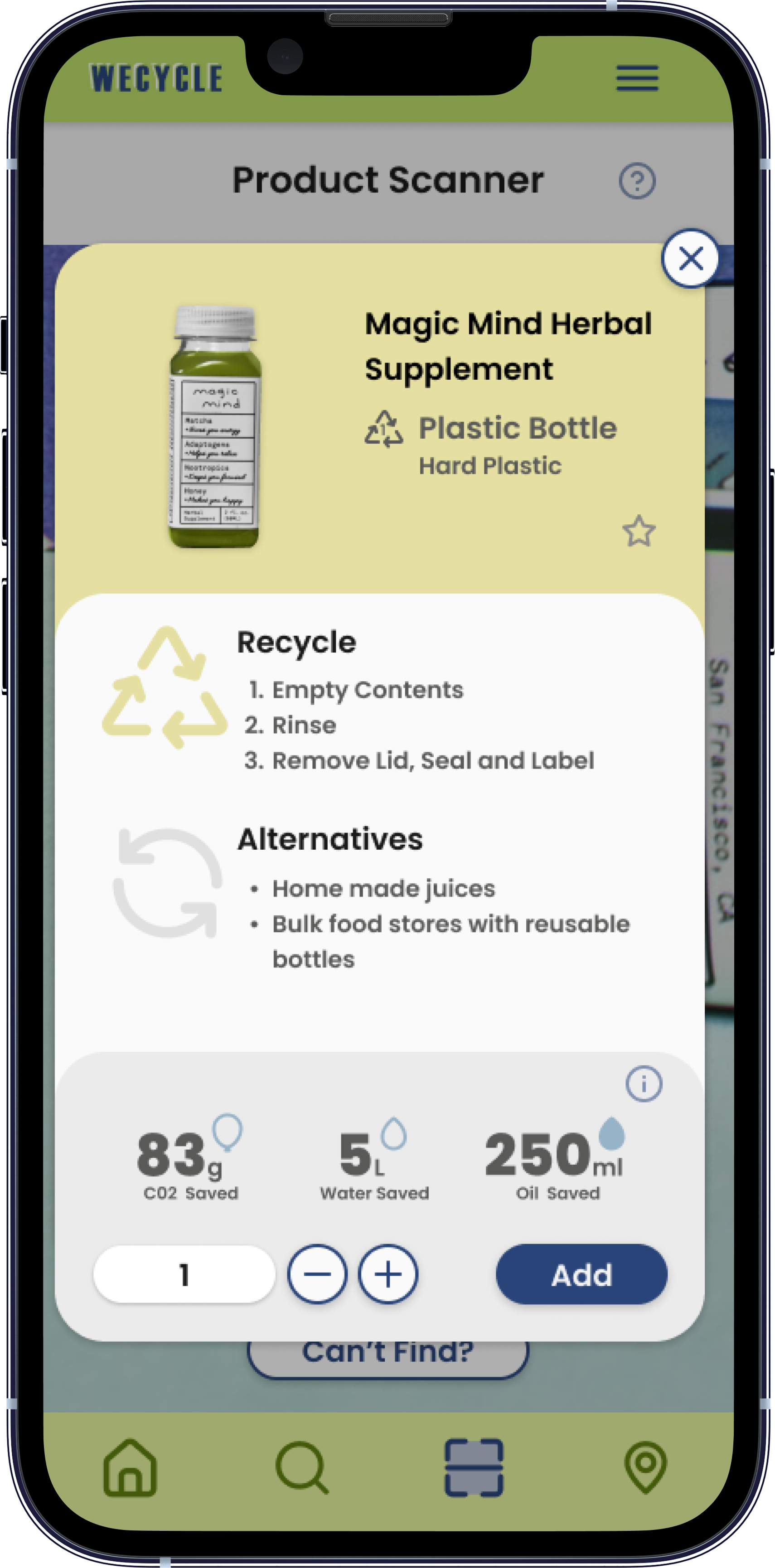
The most common point for consumers to drop off and lose interest in figuring out how to recycling would be right as they’re about to dispose of the items. The solution for this could be implementing an app with a scanner to give clear actionable steps for the users for disposal.
I’m glad to have a reliable source that will makes looking after the planet easier.

How might we provide efficient education surrounding recycling for busy eco-conscious users so that they may properly recycle and form better habits?
I undertook the crazy 8’s activity and came up with numerous ideas that could be implemented into the app and how it may look.
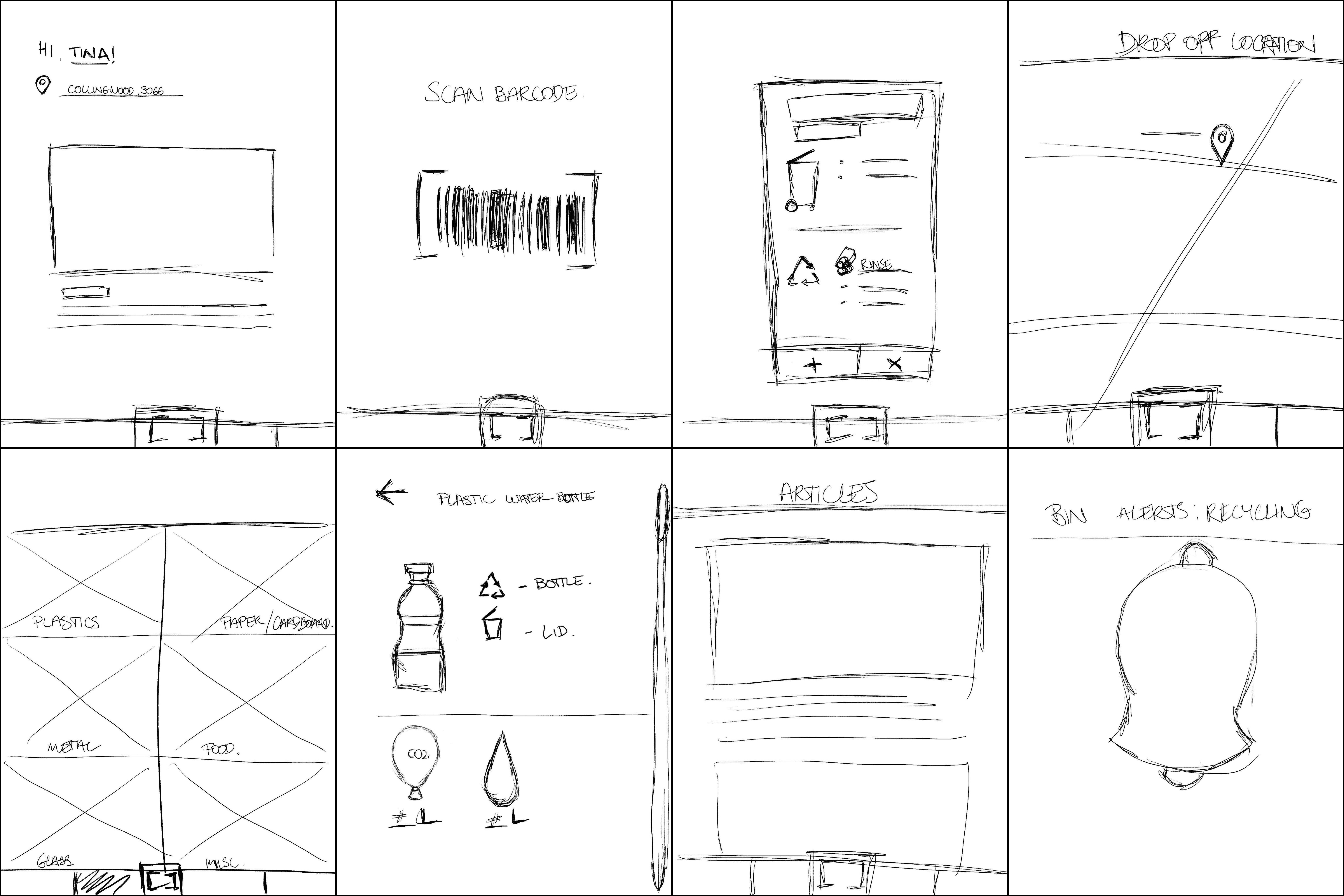
Using the ideas generated, I plotted them on the matrix to dictate what would make it onto the product design. The main features included are:

The wireframes I designed focused mainly on understanding how to integrate the scanner as it is the key feature.
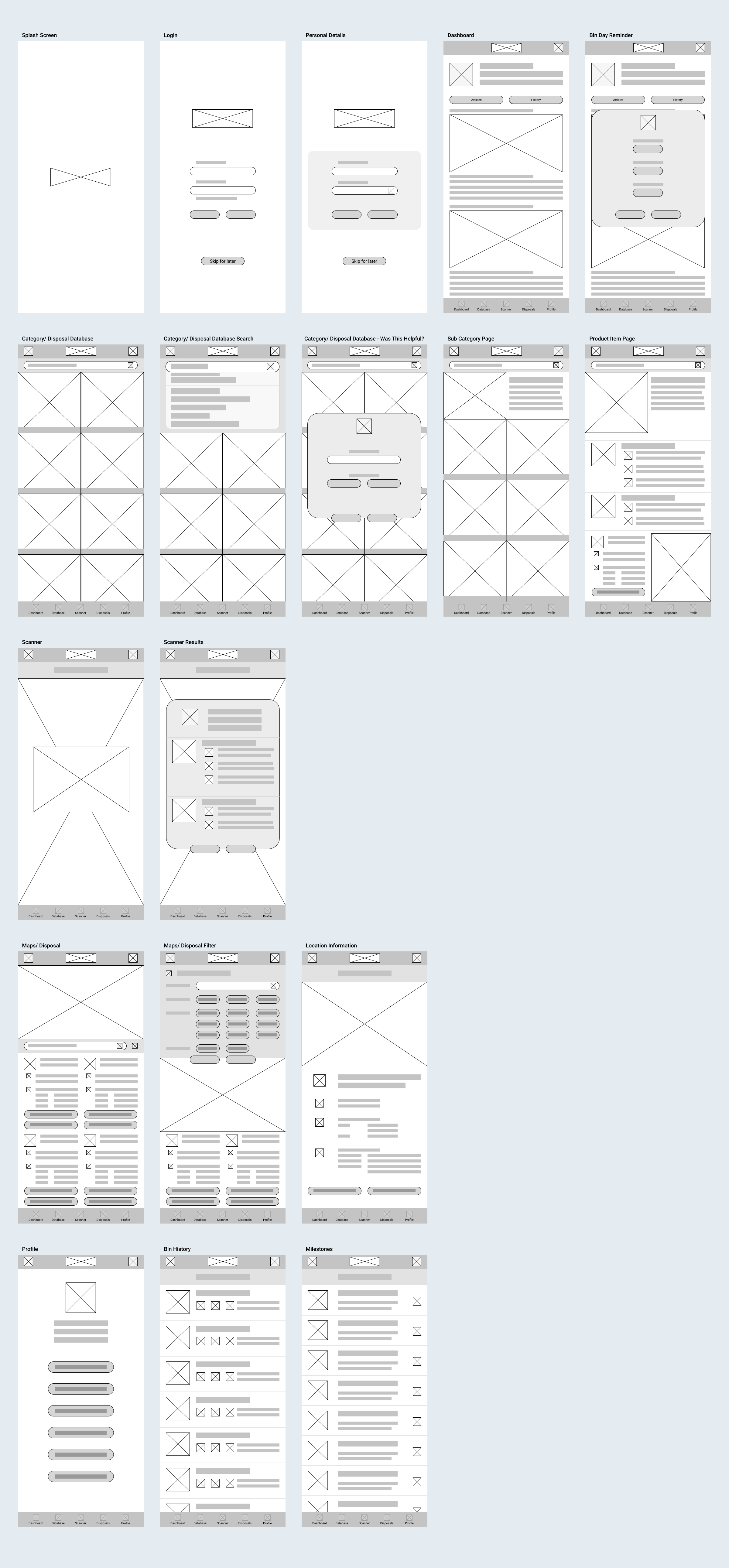
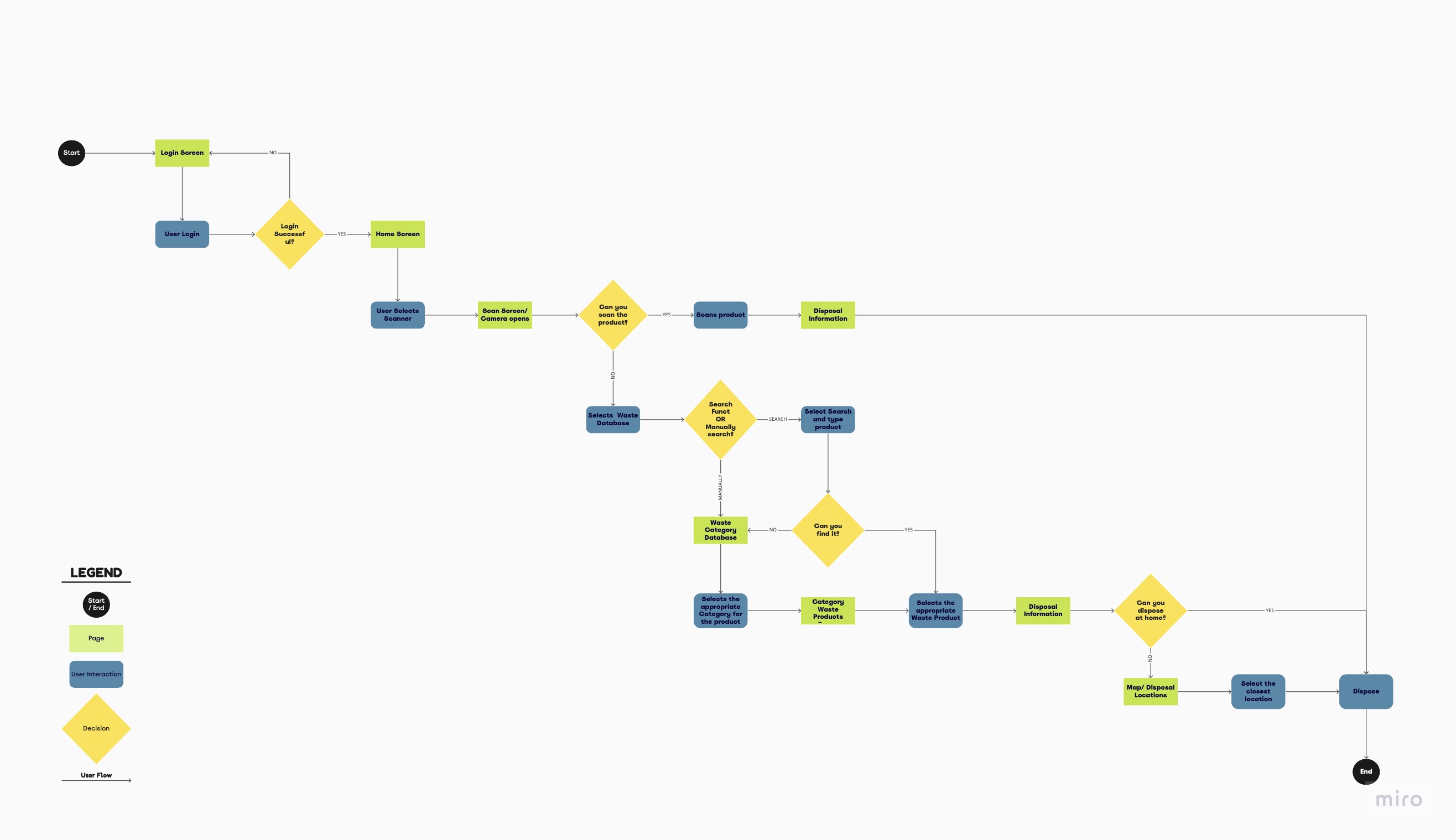
Thoughtful Tina starts off by scanning the product to understand the procedures needed to dispose. There is subsequently the alternative flow for products that can’t be scanned.